Diane E. Davis
Davis’s work bridges urban sociology, historical sociology, political economy, and planning theory, influencing debates on urbanization, development, informality, post-conflict cities, violence, climate change and political as well as ecological transition.
Charles Dyer Norton Professor of Regional Planning and Urbanism
Head of Publics, Master in Design Studies Program
@ Harvard Graduate School of Design
Co-director, Humanity’s Urban Future
@ Canadian Institute for Advanced Research Program



Books
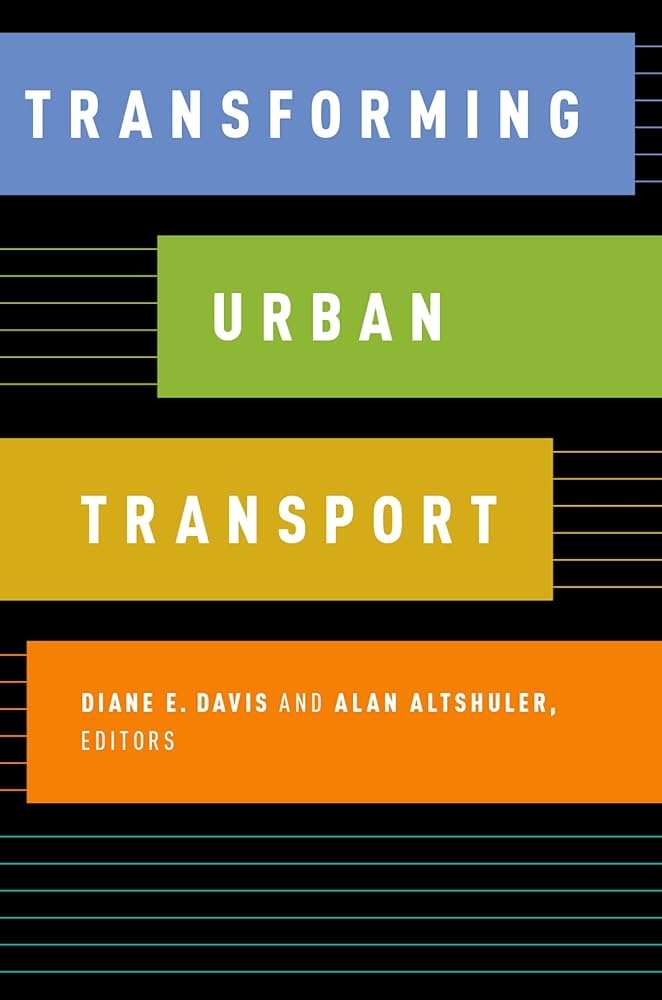
Transforming Urban Transport (2018)
This books focuses in the origins and implementation pathways of urban transport innovations that have recently been adopted in major, democratically governed world cities that are seeking to advance sustainability aims. The book's eight case studies focus on cities known for significant mayor leadership and efforts to rescale power from the nation to the city.
Buy
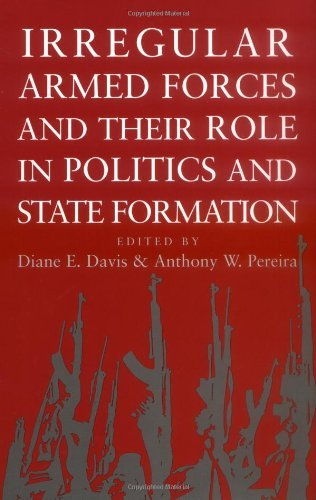
Irregular Armed Forces and their Role in Politics and State Formation (2003)
In this volume, scholars suggest that the Western European model of armies waging war on behalf of sovereign states does not hold universally. The importance of 'irregular' armed forces - militias, guerrillas, paramilitaries, mercenaries, bandits, vigilantes, police, and so on - has been seriously neglected in the literature on this subject. The case studies in this book suggest that the creation of the nation-state as a secure political entity rests as much on 'irregular' as regular armed forces. For most of the 'developing' world, the state's legitimacy has been difficult to achieve, constantly eroding or challenged by irregular armed forces within a country's borders.
Buy
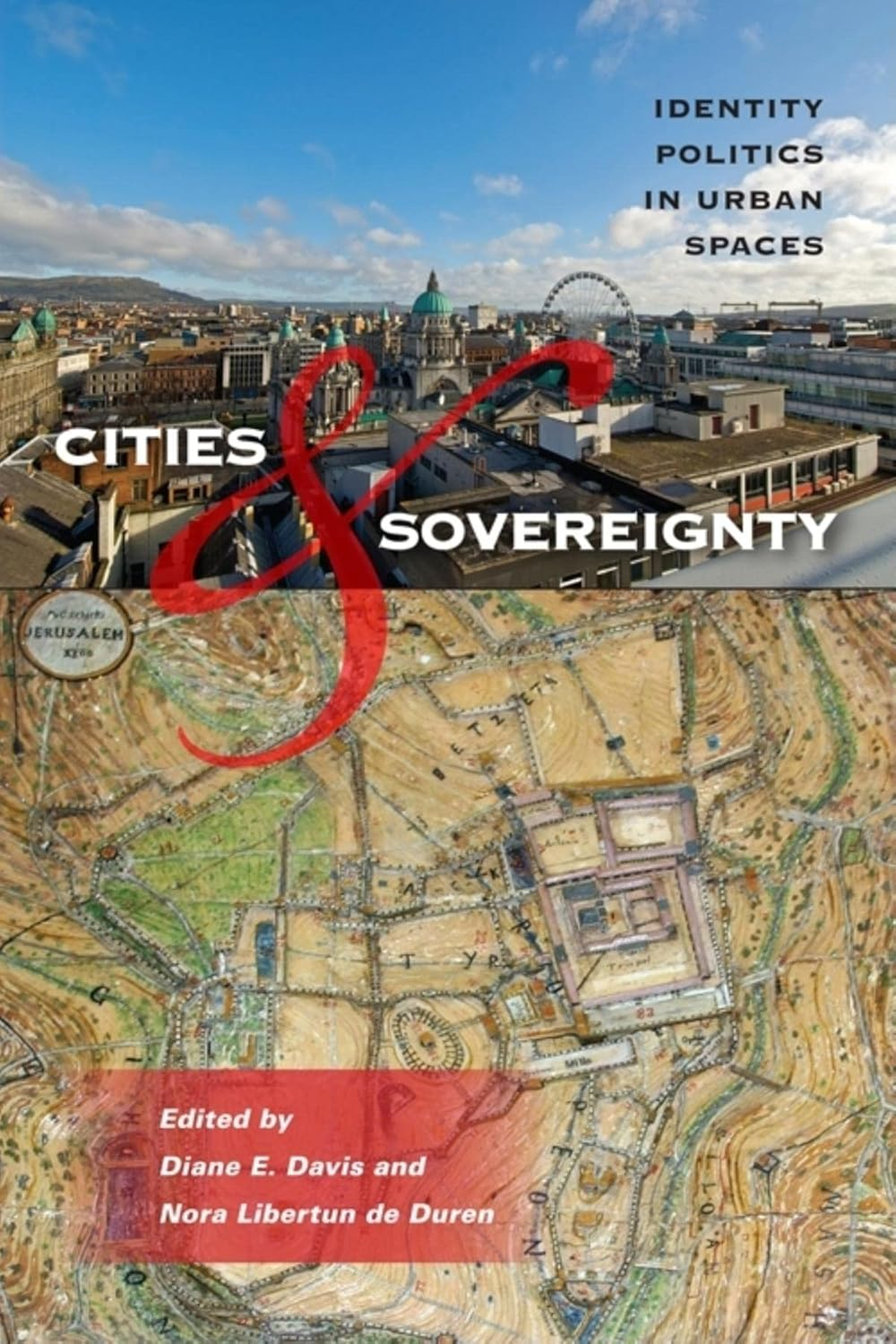
Cities and Sovereignty (2011)
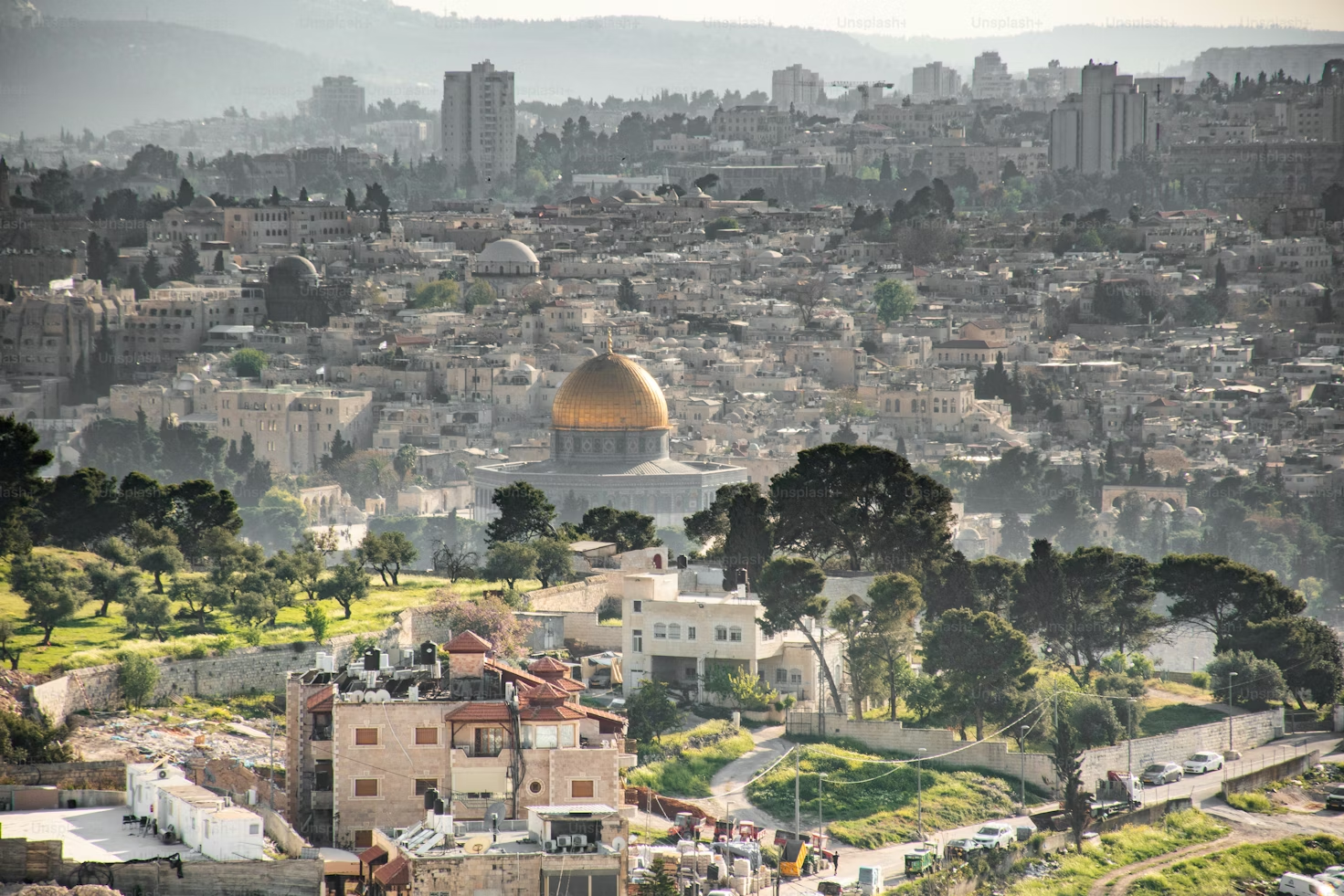
This volume examine the interrelationships of ethnic, racial, religious, or other identity conflicts and larger battles over sovereignty and governance. Under what conditions do identity conflicts undermine the legitimacy and power of nation-states, empires, or urban authorities? Does the urban built environment play a role in remedying or exacerbating such conflicts? Employing comparative analysis, these case studies from the Middle East, Europe, and South and Southeast Asia advance our understanding of the origins and nature of urban conflict.
Buy
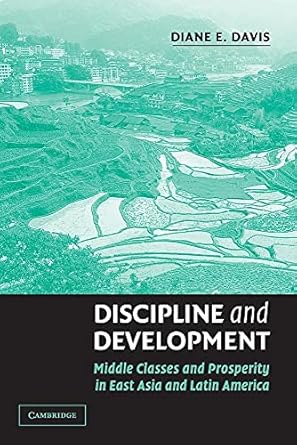
Discipline and Development (2004)
In this volume, scholars suggest that the Western European model of armies waging war on behalf of sovereign states does not hold universally. The importance of 'irregular' armed forces - militias, guerrillas, paramilitaries, mercenaries, bandits, vigilantes, police, and so on - has been seriously neglected in the literature on this subject. The case studies in this book suggest that the creation of the nation-state as a secure political entity rests as much on 'irregular' as regular armed forces. For most of the 'developing' world, the state's legitimacy has been difficult to achieve, constantly eroding or challenged by irregular armed forces within a country's borders.
Buy
Current Projects
Master in Design Studies, Publics
→
Mexico City Initiative
→
Faculty Affiliate, Bloomberg Center for Cities @ Harvard Kennedy School
→
Master in Design Studies, Publics
→
Mexico City Initiative
→
© Copyright 2026. All rights reserved.
© COPYRIGHT 2017. ALL RIGHTS RESERVED.
Diane E. Davis
About
Contact
Diane E. Davis
Charles Dyer Norton Professor of Regional Planning and Urbanism
Head of Publics, Master in Design Studies Program
@ Harvard Graduate School of Design
Co-director, Humanity’s Urban Future
@ Canadian Institute for Advanced Research Program

Books
Transforming Urban Transport (2018)
This books focuses in the origins and implementation pathways of urban transport innovations that have recently been adopted in major, democratically governed world cities that are seeking to advance sustainability aims.
Irregular Armed Forces and their Role in Politics and State Formation (2003)
This volume suggest that the creation of the nation-state as a secure political entity rests as much on 'irregular' as regular armed forces. For most of the 'developing' world, the state's legitimacy has been difficult to achieve, constantly eroding or challenged by irregular armed forces within a country.
Cities and Sovereignty (2011)
This volume examine the interrelationships of ethnic, racial, religious, and other identity conflicts over sovereignty and governance. Under what conditions do identity conflicts undermine the legitimacy and power of nation-states, empires, or urban authorities? Does the urban built environment play a role in remedying or exacerbating such conflicts? Case studies from the Middle East, Europe, and South and Southeast Asia advance our understanding of the origins and nature of urban conflict.
Discipline and Development (2004)
Revealing that the key to successful economic development in late industrializers rests in the state's capacity to discipline capitalists, this study sheds light on why certain countries (South Korea and Taiwan) have the capacity to discipline capitalists, while others (Mexico and Argentina) find themselves at the receiving end of industrialists' political and economic power. Closer examination of middle classes reveals the extent to which they achieve sufficient political sway in politics and society.

Urban Leviathan (1994)
The social and economic demand of the working classes and the desires of Mexico's ruling Partido Revolucionario Institutional (PRI) have led to gravely diminished services, exorbitant infrastructural expenditures, and counter-productive use of geographic space. Examining the political forces behind the thwarted attempts to provide transportation in the downtown and sprawling outer residential areas, Davis analyzes the maneuverings of local and national politicians, foreign investors, middle classes, agency bureaucrats, and various factions of the PRI.
© COPYRIGHT 2017. ALL RIGHTS RESERVED.
Designed by Adi Meira